stock
Crisis at HDFC Bank: Leadership Exit and Mis-selling Scandal Rocks India’s Largest Private Lender
Investors Flee as Ethics-Driven Resignation and Dubai AT1 Bond Probe Trigger a ₹35,000 Crore Foreign Exodus
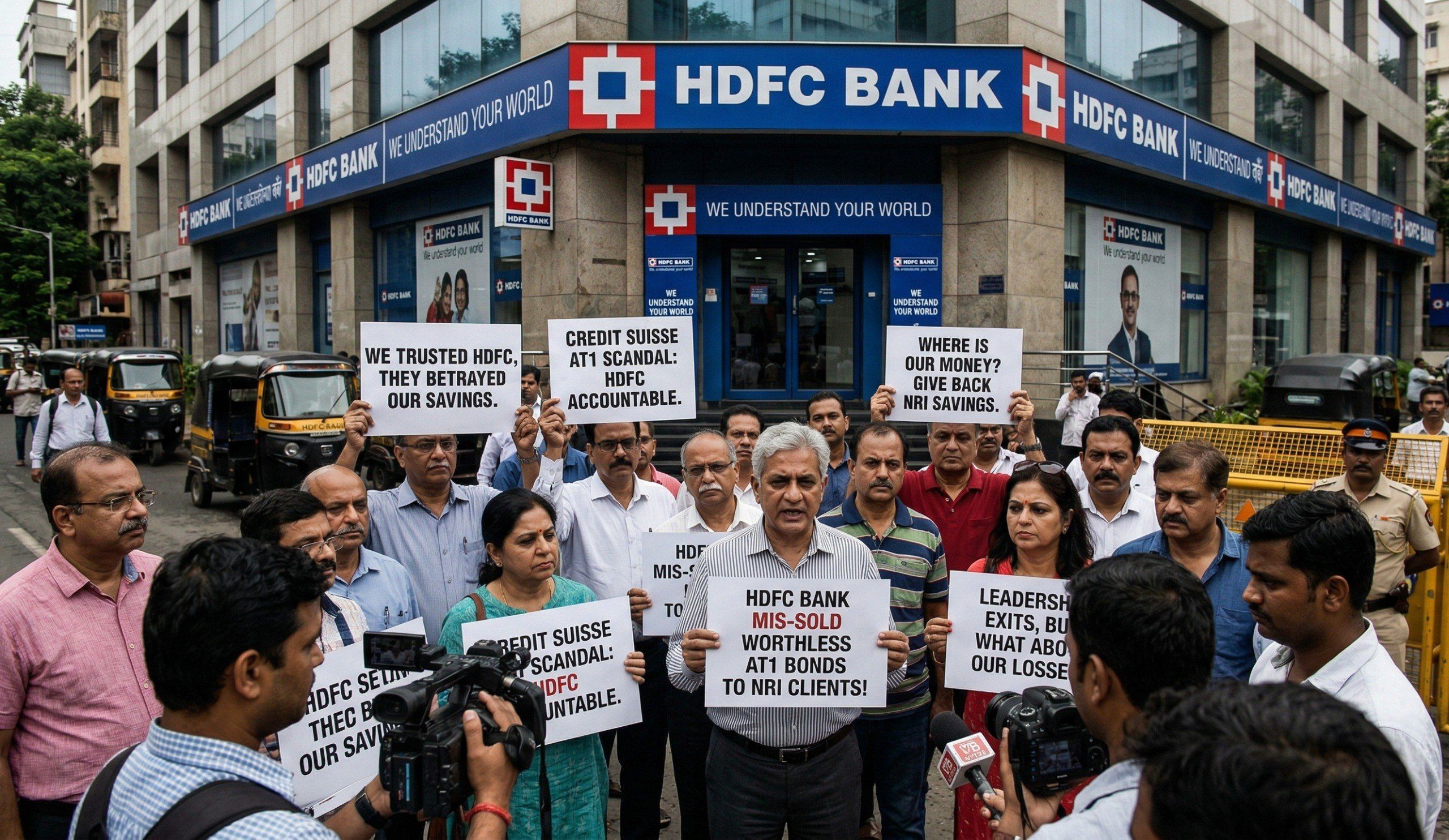
The final quarter of FY26 has been a "perfect storm" for HDFC Bank. The lender, traditionally seen as the gold standard of Indian banking, is currently facing its most severe credibility crisis in a decade. A combination of a sudden board-level exit on ethical grounds, a massive regulatory crackdown on mis-selling at its international branches, and a historic offloading of shares by global funds has seen the stock plummet nearly 26% in just three months.
The Ethical Exit: Atanu Chakraborty Resigns
The cornerstone of the current panic was the shock resignation of Atanu Chakraborty, the Part-time Chairman and Independent Director, on March 18, 2026.
The Letter: In a move that sent immediate ripples through the markets, Chakraborty explicitly stated that certain "happenings and practices" he observed over the last two years were "not in congruence with his personal values and ethics."
Market Fallout: The phrasing—vague yet damning—suggested that governance lapses weren't just accidental, but structural. Following the news, HDFC Bank's ADRs on the NYSE fell nearly 7% in a single session.
Interim Fix: The RBI moved swiftly to stabilize the ship, appointing Keki Mistry as the interim Part-time Chairman for a three-month period to oversee the transition.
The Institutional Exodus: ₹35,000 Crore FII Sell-off
Foreign investors, who have historically been the biggest backers of the bank, are now leading the exit.
Stake Reduction: In the quarter ending March 2026, FIIs slashed their stake from 47.67% to 44.05%, dumping roughly 50 crore shares.
Fleeing to Safety: The sell-off accelerated after the mid-March governance disclosures. Institutional heavyweights like Jefferies have moved the stock to the sidelines, while Weiss Ratings downgraded the shares to a "Sell (D+)" in early March, citing heightened risk profiles.
Analyst Take: "A Broken Premium"
For the first time in 20 years, HDFC Bank is trading at a valuation multiple closer to its public-sector peers than its historical high-growth average.
The premium on HDFC Bank was always built on 'superior governance' and 'predictable growth'," says a senior analyst at a Mumbai brokerage. "With the Chairman resigning on ethical grounds and senior VPs being fired for mis-selling, that governance premium has effectively evaporated. The bank now has to prove its culture hasn't changed post-merger.
The RBI's Vote of Confidence: In a rare move to calm the markets, the RBI issued a statement on March 19, noting that HDFC Bank remains a "Systemically Important Bank" with sound financials and no "material concerns on record." However, the street remains skeptical, waiting for the April 18 board meeting to see if more skeletons come out of the closet.
Related Articles
stock
India-Italy Strategic Pivot: Rajnath Singh to Host Italian Counterpart for High-Level Defence Talks
Meeting Set for April 30 in New Delhi; Focus on "Make in India" Co-Production, Submarine Tech, and Maritime Security
Apr 29, 2026

stock
Adani Power Q4 Earnings: Net Profit Jumps 52% to ₹4,017 Crore
Consolidated Profit Surpasses Estimates as Lower Expenses and New PPAs Offset Flat Operational Revenue
Apr 29, 2026

stock
The Kremlin Anchors OPEC+ After UAE's Historic Exit
Moscow Reaffirms Alliance with Saudi Arabia as UAE Pivots to "Total Independence" Following Middle East Naval Crisis
Apr 29, 2026

stock
UAE Quits OPEC: A Seismic Shift in the Global Oil Order
Impact on India: "Net Positive" in the Long Run, but High Volatility Ahead as Brent Nears $108
Apr 29, 2026
stock
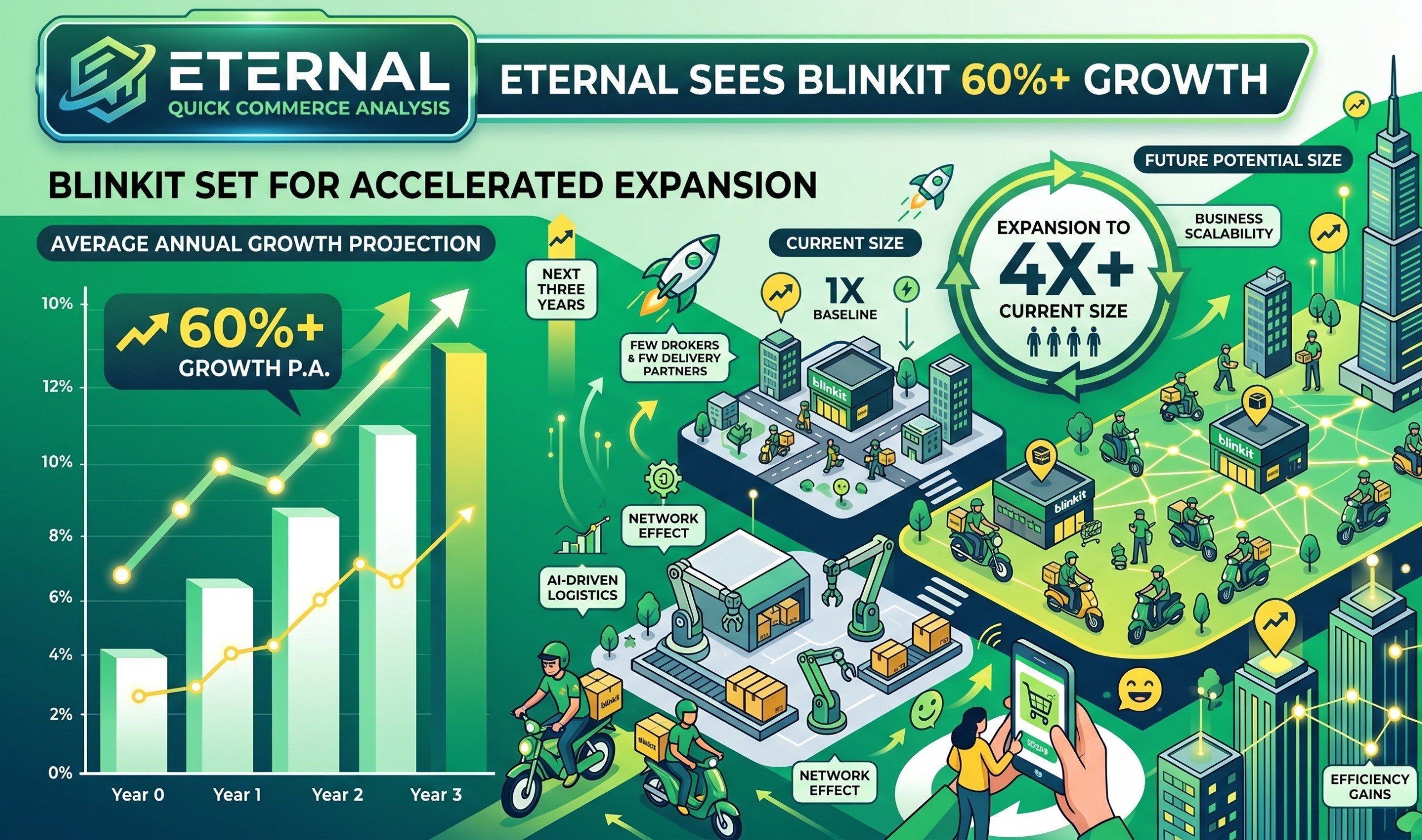
Blinkit’s "4x" Blueprint: Eternal Projects 60%+ Growth through 2029
CEO Albinder Dhindsa Forecasts Quick Commerce Dominance; Net Profit Jumps 346% as Blinkit Hits EBITDA Positivity
Apr 28, 2026