stock
UAE Quits OPEC: A Seismic Shift in the Global Oil Order
Impact on India: "Net Positive" in the Long Run, but High Volatility Ahead as Brent Nears $108

On Tuesday, April 28, 2026, the United Arab Emirates (UAE) sent shockwaves through the global energy market by announcing its formal withdrawal from the Organization of the Petroleum Exporting Countries (OPEC) and the wider OPEC+ alliance, effective May 1, 2026.
The move marks the highest-profile exit from the cartel in decades and signals a major rift between the UAE and Saudi Arabia. For India—the world's third-largest oil consumer—the exit is a "double-edged sword" that offers long-term price relief but threatens short-term stability during an ongoing regional war.
Why Did the UAE Quit?
The decision follows years of simmering tension over production quotas.
The "Quota" Trap: The UAE has invested billions to expand its production capacity to 4.85 million barrels per day (mbpd), with plans to hit 5 mbpd by 2027. However, OPEC quotas had restricted its output to just 2.9–3.4 mbpd, leaving significant "money on the table."
Geopolitical Rifts: Analysts point to a growing disconnect with Saudi Arabia and frustration over the group's inability to shield Gulf infrastructure from recent Iranian attacks during the current conflict.
The "Hunger Games" Era: As global demand nears its peak, low-cost producers like the UAE are pivoting toward a "volume-over-price" strategy, preferring to sell more oil now rather than holding barrels back to prop up prices for competitors.
The UAE’s move is being seen as a massive victory for U.S. President Donald Trump, who has long campaigned for the dismantling of the OPEC "monopoly." By breaking away, the UAE aligns itself more closely with the U.S. "energy dominance" strategy, further weakening Saudi Arabia’s leverage over global pricing.
Related Articles

stock
India-Italy Strategic Pivot: Rajnath Singh to Host Italian Counterpart for High-Level Defence Talks
Meeting Set for April 30 in New Delhi; Focus on "Make in India" Co-Production, Submarine Tech, and Maritime Security
Apr 29, 2026
stock
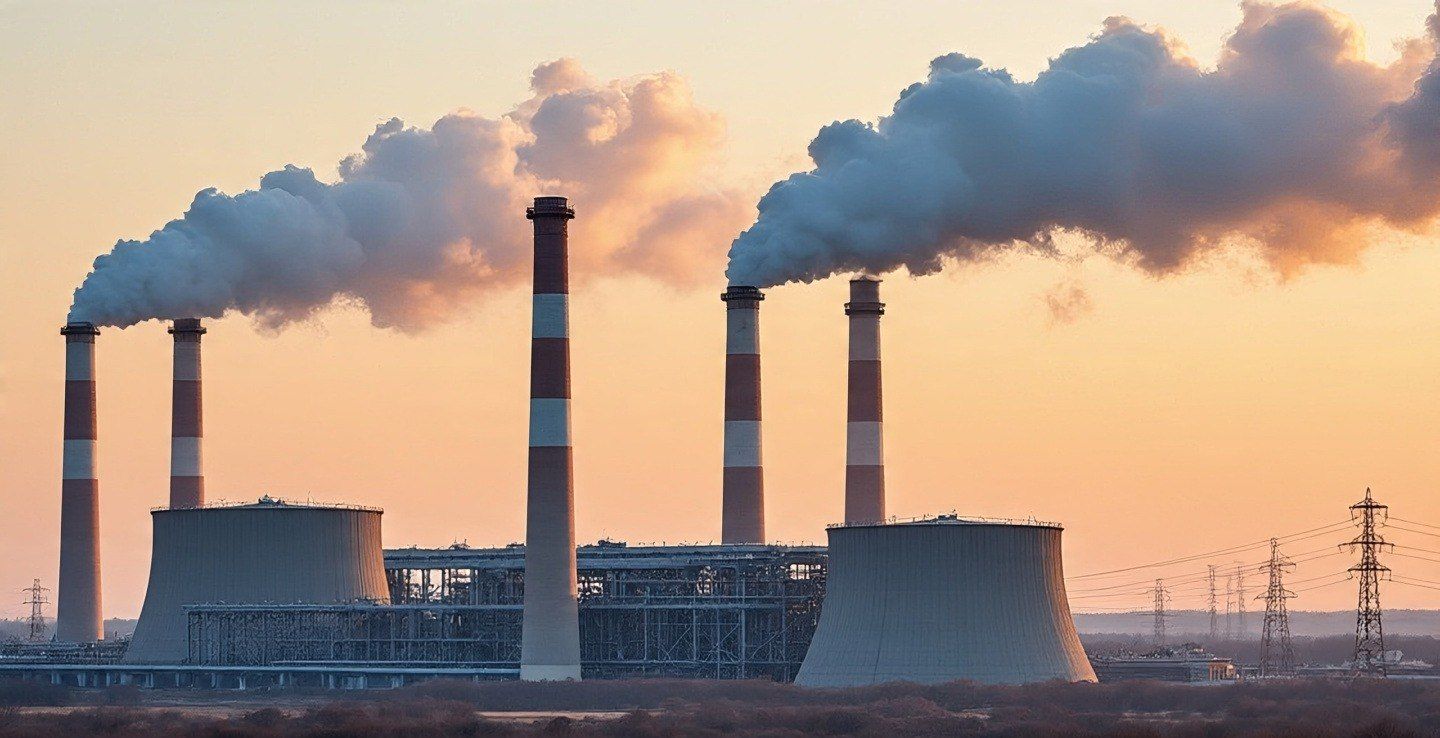
Adani Power Q4 Earnings: Net Profit Jumps 52% to ₹4,017 Crore
Consolidated Profit Surpasses Estimates as Lower Expenses and New PPAs Offset Flat Operational Revenue
Apr 29, 2026
stock
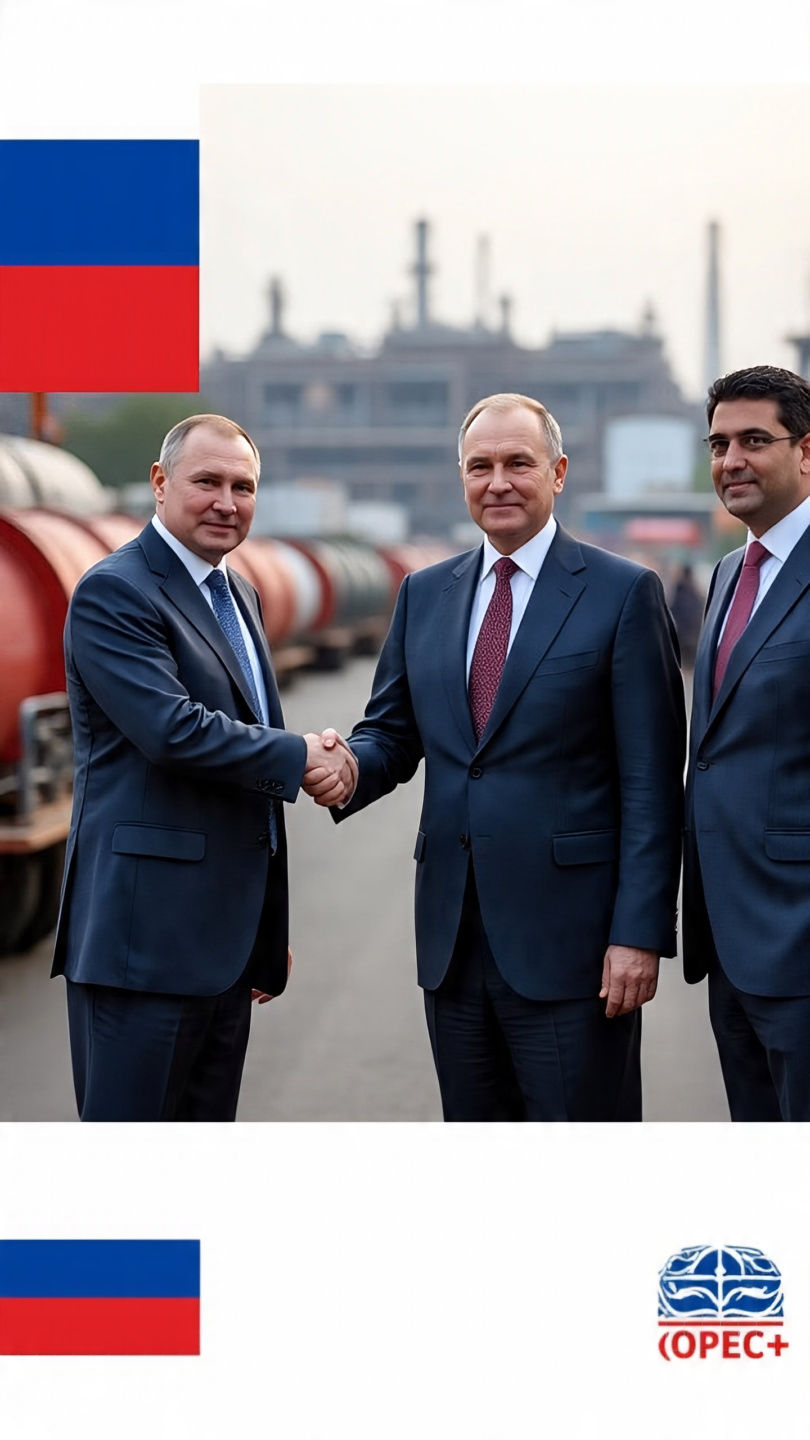
The Kremlin Anchors OPEC+ After UAE's Historic Exit
Moscow Reaffirms Alliance with Saudi Arabia as UAE Pivots to "Total Independence" Following Middle East Naval Crisis
Apr 29, 2026

stock
Blinkit’s "4x" Blueprint: Eternal Projects 60%+ Growth through 2029
CEO Albinder Dhindsa Forecasts Quick Commerce Dominance; Net Profit Jumps 346% as Blinkit Hits EBITDA Positivity
Apr 28, 2026

stock
Nifty 50 Dips Under 24,000: Bears Reclaim Control Amidst Geopolitical Jitters
Markets Erase Early Gains as Brent Crude Hits $107; Auto and Pharma Stocks Face Selling Pressure
Apr 28, 2026