stock
Aviation Under Siege: FIA Warns of "Severe Strain" as International Fuel Prices Double
ATF Hits Historic ₹2.07 Lakh/kL; Fuel Surcharges Jump to ₹10,000 as Operating Costs Hit 60% Redline
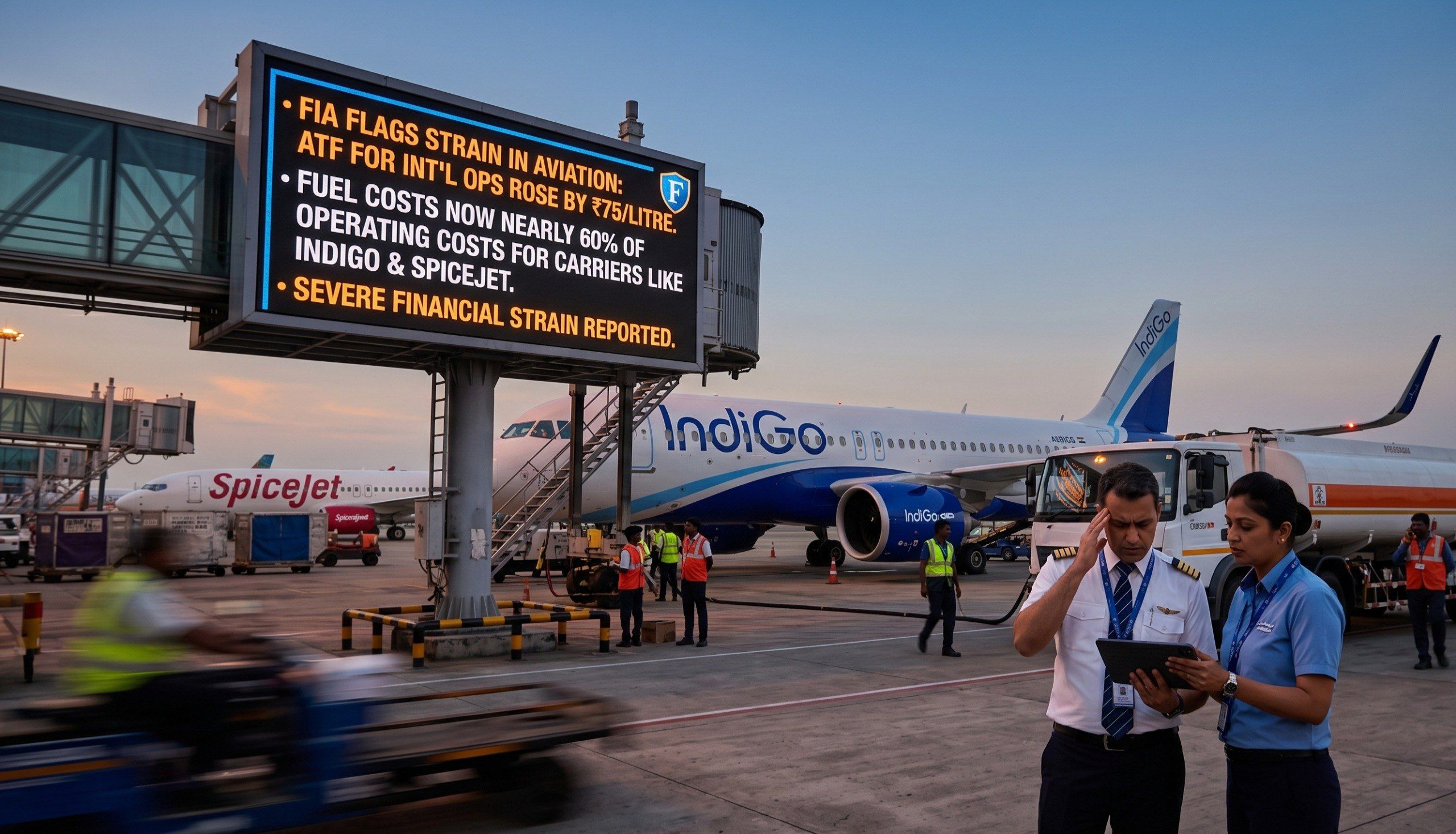
In a strongly worded advisory issued on Tuesday, April 28, 2026, the Federation of Indian Airlines (FIA)—representing major carriers like IndiGo, Air India, and SpiceJet—has warned that the Indian aviation sector is entering a period of "severe financial strain." The primary culprit is the skyrocketing cost of Aviation Turbine Fuel (ATF), specifically for international operations, which has effectively doubled since early March due to the catastrophic energy supply crisis in the Persian Gulf.
While the Indian government intervened on April 1 to "insulate" domestic passengers by capping the price hike for domestic airlines at a partial and staggered 8.5%, no such cushion exists for international routes. For these flights, ATF prices have surged by over ₹1.1 lakh per kilolitre, pushing the cost to a record-breaking ₹2.07 lakh per kL.
Strategic Outlook: The "Willie Walsh" Pivot
As Willie Walsh (the current IATA Director General) prepares to take over as CEO of IndiGo in August, analysts suggest he will inherit an airline in "survival mode."
IndiGo's Stance: The airline has stated it will "absorb" a portion of the hike to maintain passenger load factors (currently near 85%), but warned that if ATF remains at ₹2 lakh/kL, further fare hikes are "inevitable."
SpiceJet's Struggle: The carrier, already battling liquidity issues, is particularly vulnerable to the 60% fuel-cost ratio. It has welcomed the government's partial domestic cap but warned that "extraordinary measures" are needed for the international segment.
Industry Consensus: "We are flying through a perfect storm," says an aviation consultant at CAPA India. "When you combine longer routes due to war with record-high fuel prices and a weakening Rupee, the math just stops working. Without more government intervention, we could see some regional carriers grounding fleets by mid-summer."
Related Articles
stock
India-Italy Strategic Pivot: Rajnath Singh to Host Italian Counterpart for High-Level Defence Talks
Meeting Set for April 30 in New Delhi; Focus on "Make in India" Co-Production, Submarine Tech, and Maritime Security
Apr 29, 2026
stock
Adani Power Q4 Earnings: Net Profit Jumps 52% to ₹4,017 Crore
Consolidated Profit Surpasses Estimates as Lower Expenses and New PPAs Offset Flat Operational Revenue
Apr 29, 2026
stock
The Kremlin Anchors OPEC+ After UAE's Historic Exit
Moscow Reaffirms Alliance with Saudi Arabia as UAE Pivots to "Total Independence" Following Middle East Naval Crisis
Apr 29, 2026
stock
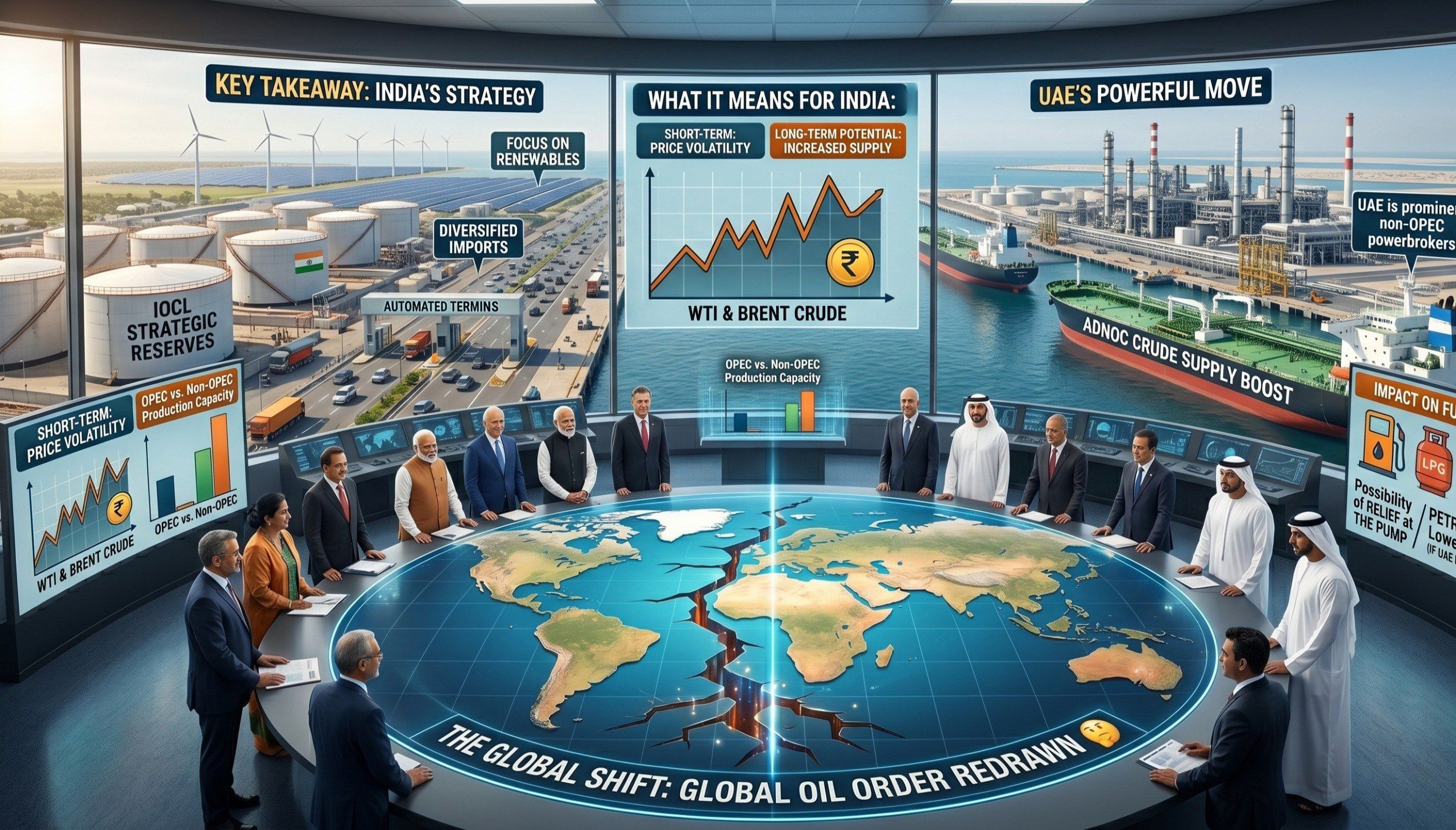
UAE Quits OPEC: A Seismic Shift in the Global Oil Order
Impact on India: "Net Positive" in the Long Run, but High Volatility Ahead as Brent Nears $108
Apr 29, 2026

stock
Blinkit’s "4x" Blueprint: Eternal Projects 60%+ Growth through 2029
CEO Albinder Dhindsa Forecasts Quick Commerce Dominance; Net Profit Jumps 346% as Blinkit Hits EBITDA Positivity
Apr 28, 2026