stock
The "Mine Trap" Crisis: Iran Admits Losing Track of Explosives in Strait of Hormuz
Maritime Deadlock: Reopening of Vital Chokepoint Stalled as "Forgotten" Mines Threaten Global Shipping; Oil Prices Spike

In a startling admission that has sent shockwaves through global energy markets and maritime insurance boards, Iran has reportedly informed international mediators that it is currently unable to fulfill its promise to reopen the Strait of Hormuz. The reason for this critical failure is as dangerous as it is absurd: the Iranian Revolutionary Guard Corps (IRGC) has allegedly lost track of the sea mines it planted to block the route during the height of the conflict.
This admission effectively renders the "Islamabad Protocol" ceasefire a hollow agreement in the short term. While the political will to pause the war exists, the physical reality of the waterway remains a "suicide trap" for commercial tankers, keeping roughly 20% of the world's oil supply effectively under house arrest.
The "Floating Death" Problem: Why the Strait Stays Shut
During the rapid escalation in March, the IRGC deployed hundreds of "smart" and "dumb" mines to deter U.S. and Israeli naval incursions. However, poor coordination and the lack of a centralized "mine map" have created a navigational nightmare.
GPS Drift & Current Shifts: Strong tidal currents in the Persian Gulf have likely moved the mines far from their original drop points. Without a digital log or transponder tracking, these mines are now "blind" hazards floating toward civilian shipping lanes.
The "Lost Map" Rumor: Intelligence reports suggest that the specific unit responsible for the mining operations suffered a direct hit during U.S. airstrikes last week, potentially destroying the hardware and personnel that held the deployment coordinates.
De-Mining Difficulty: Professional mine-clearing is a painstaking process. Navy experts suggest it could take weeks, if not months, for specialized minesweepers to declare the 21-mile-wide passage "safe" for Ultra Large Crude Carriers (ULCCs).
Related Articles

stock
India-Italy Strategic Pivot: Rajnath Singh to Host Italian Counterpart for High-Level Defence Talks
Meeting Set for April 30 in New Delhi; Focus on "Make in India" Co-Production, Submarine Tech, and Maritime Security
Apr 29, 2026
stock
Adani Power Q4 Earnings: Net Profit Jumps 52% to ₹4,017 Crore
Consolidated Profit Surpasses Estimates as Lower Expenses and New PPAs Offset Flat Operational Revenue
Apr 29, 2026
stock
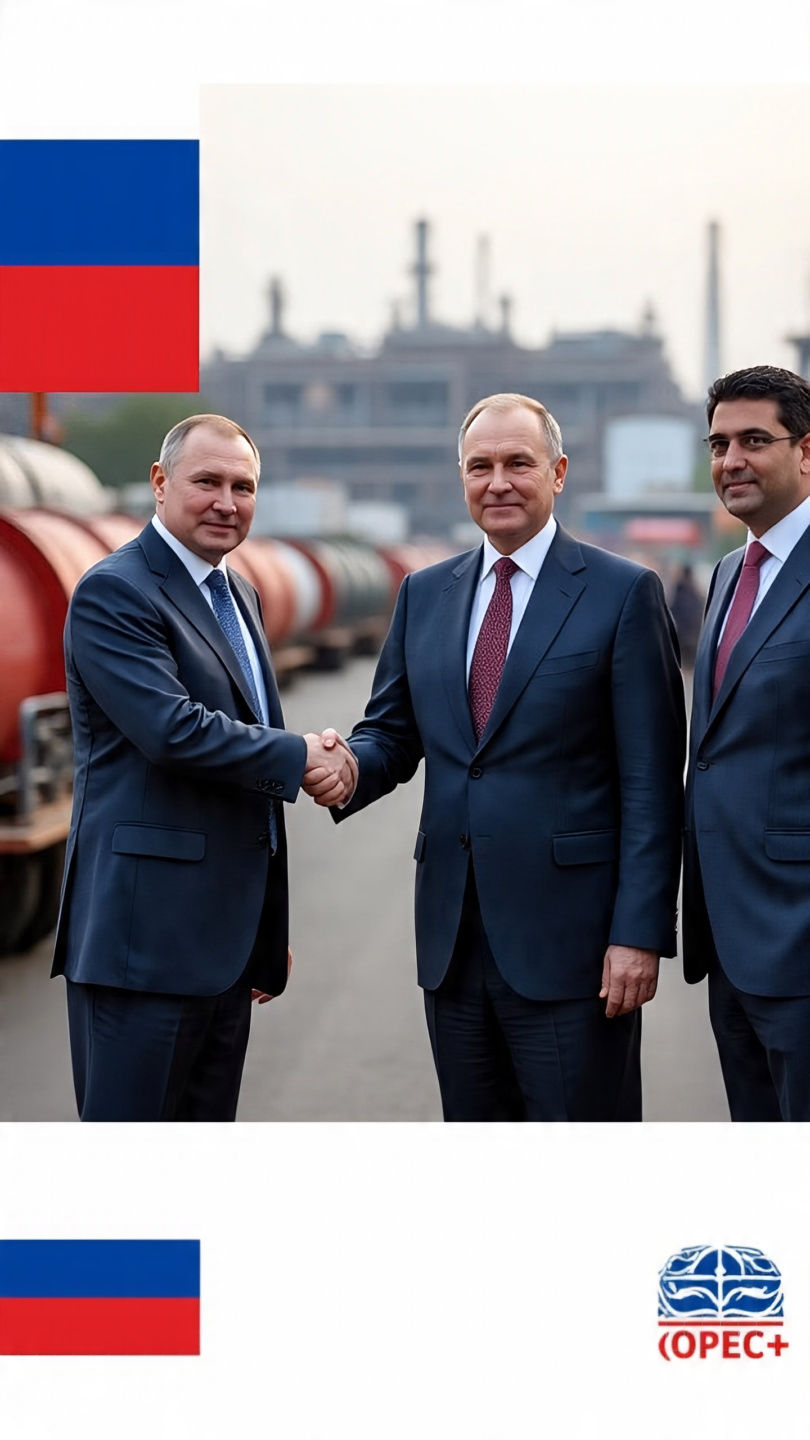
The Kremlin Anchors OPEC+ After UAE's Historic Exit
Moscow Reaffirms Alliance with Saudi Arabia as UAE Pivots to "Total Independence" Following Middle East Naval Crisis
Apr 29, 2026
stock
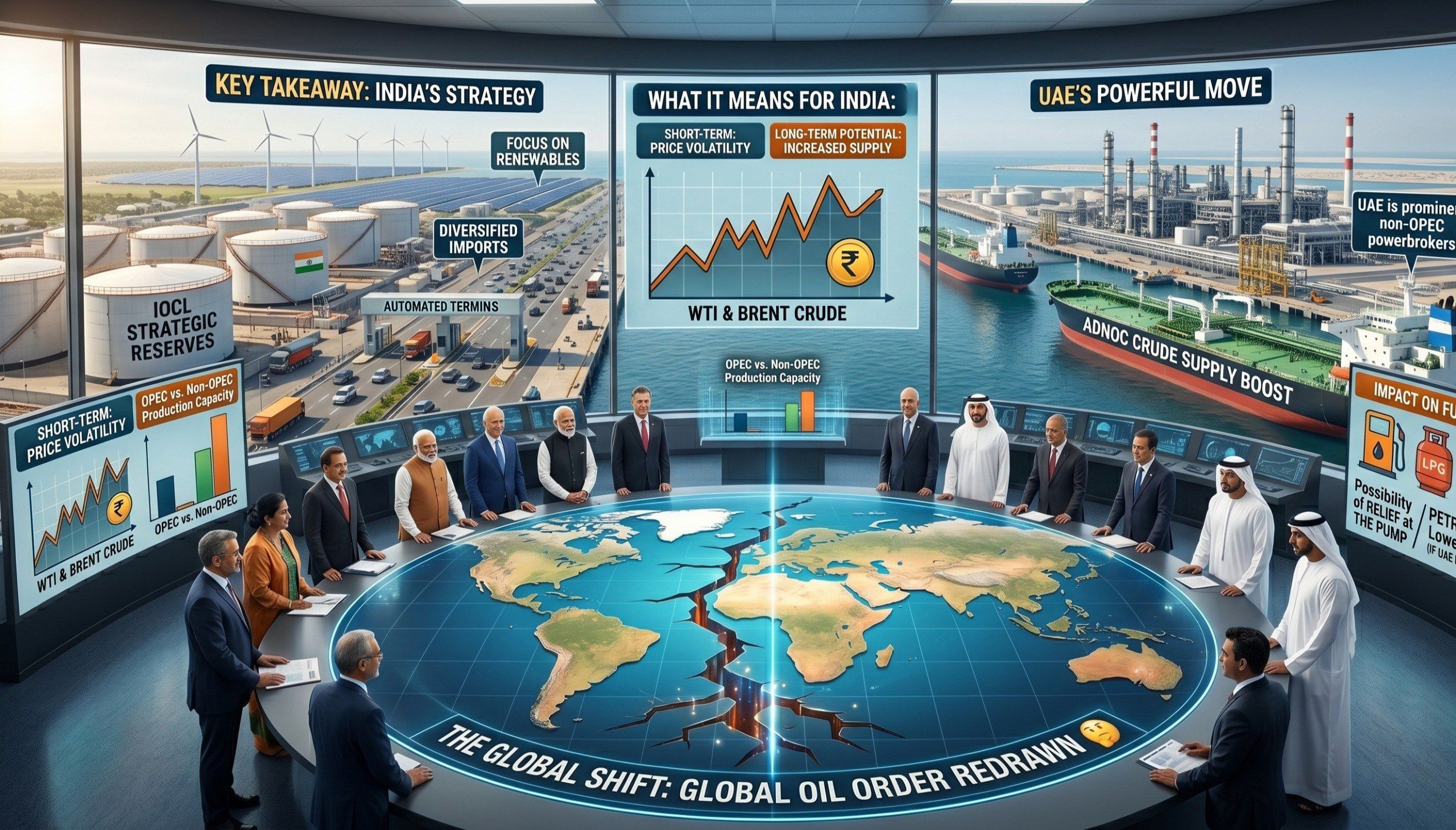
UAE Quits OPEC: A Seismic Shift in the Global Oil Order
Impact on India: "Net Positive" in the Long Run, but High Volatility Ahead as Brent Nears $108
Apr 29, 2026
stock
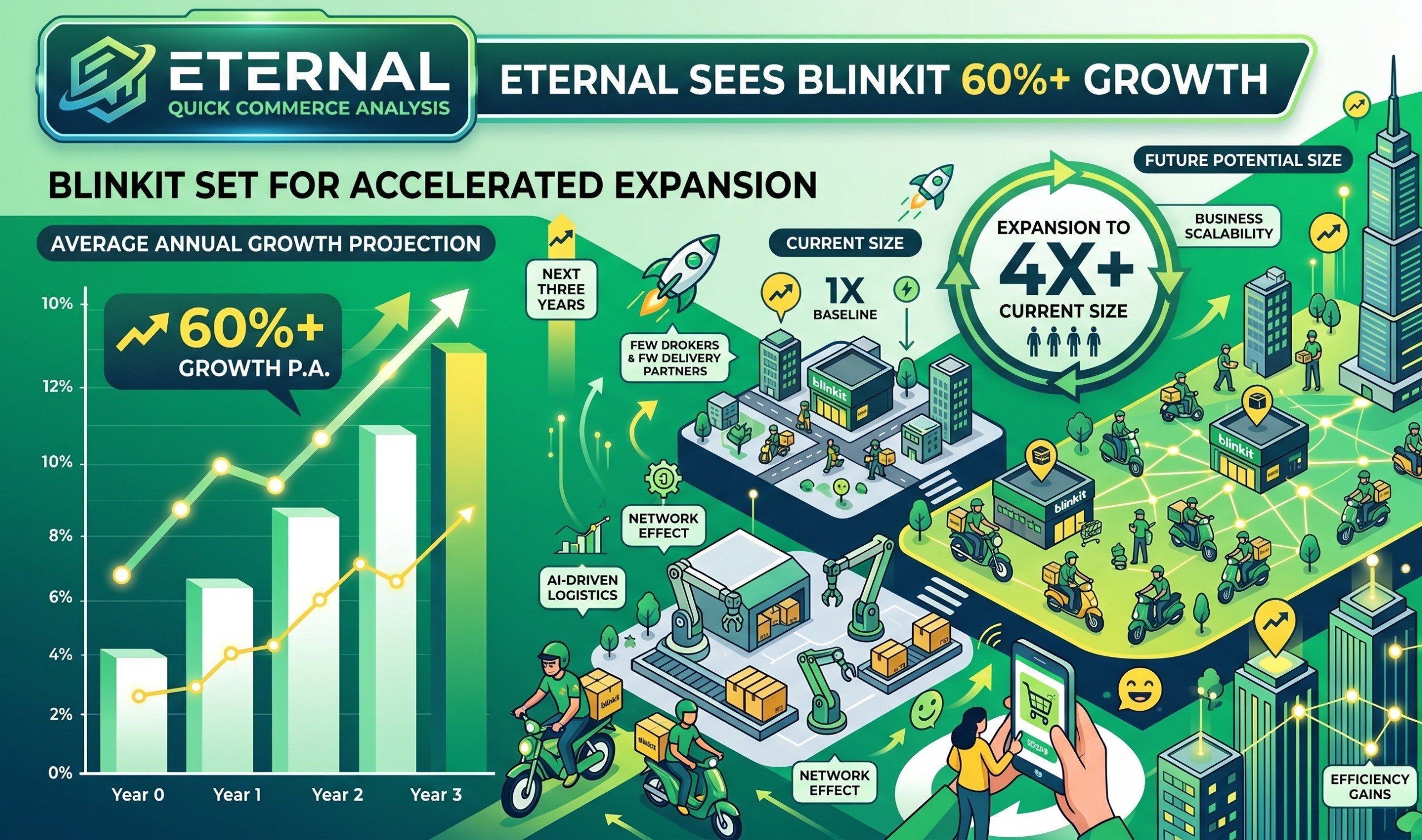
Blinkit’s "4x" Blueprint: Eternal Projects 60%+ Growth through 2029
CEO Albinder Dhindsa Forecasts Quick Commerce Dominance; Net Profit Jumps 346% as Blinkit Hits EBITDA Positivity
Apr 28, 2026